Core Gameplay Loop
Stop & Go Challenge 3D centers on a single, clear rule: advance when the announcer gives the green signal, and freeze immediately when the red signal sounds. This binary decision-making process forms the heart of every round. Players navigate a 3D course, and each successful advance brings them closer to the finish line. The challenge lies in resisting the urge to move during the red signal, as any movement resets progress. This loop of anticipation and restraint creates a rhythm that is both simple and deeply engaging.
Audio-Driven Feedback
The game relies heavily on auditory cues to guide player actions. The announcer's voice provides clear, distinct commands that are easy to recognize, even during fast-paced play. This design choice means players can keep their eyes on the course without needing to look at on-screen indicators. The audio feedback also adds a layer of tension, as the split second between hearing the red signal and stopping becomes the deciding factor in each round.
Visual Presentation and Atmosphere
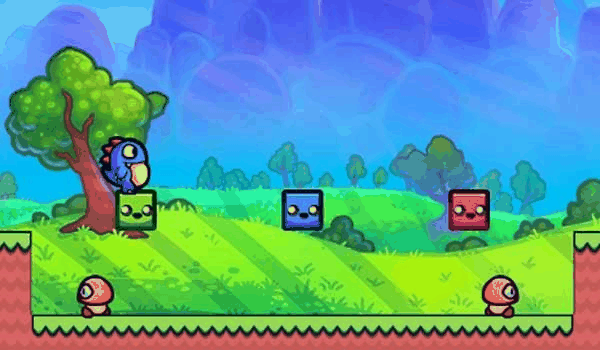
The 3D graphics create a vibrant and clear environment that supports the gameplay without causing distractions. The course is designed with bright colors and simple geometry, ensuring that the player character and the finish line are always visible. The visual style is intentionally uncluttered, allowing the player to focus entirely on the audio cues and their own movements. This approach keeps the experience accessible for younger players while remaining visually appealing for older audiences.
Replay and Self-Improvement
Each round is short, encouraging repeated attempts to refine timing and reaction speed. The game does not punish failure harshly; instead, it offers immediate opportunities to try again. This structure promotes a cycle of practice and improvement. Players can track their own progress by noting how far they advance before a mistake or how quickly they reach the finish line. The absence of complex scoring systems keeps the focus on personal bests and consistent performance.









Comments
0 comments