Core Movement Mechanics
At the heart of Swift Dash Arcade Runner lies a simple yet deep control scheme. Players tap the screen to make their character dash forward a set distance. The timing of each tap determines whether you clear an obstacle or collide with it. This one-touch system makes the game easy to pick up, but mastering the rhythm of dashes requires practice. The character moves in a straight line, so positioning is entirely about when you tap, not where.
Obstacle & Pattern Design
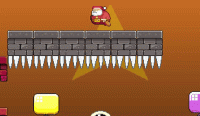
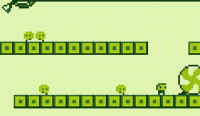
Courses are built around repeating patterns of barriers, gaps, and collectible items. Early levels introduce single obstacles to teach basic timing. Later stages combine multiple hazards in quick succession, forcing you to chain dashes without pause. Some obstacles require a short delay before dashing, while others demand immediate action. This variety keeps each run feeling fresh and prevents the gameplay from becoming monotonous.
Visual Clarity & Feedback
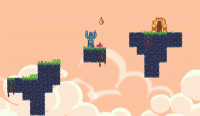
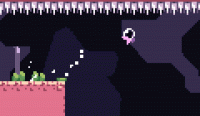
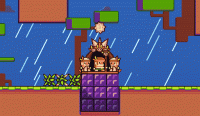
The game uses a clean, colorful art style that prioritizes readability. Obstacles are clearly outlined against the background, and the character leaves a bright trail during each dash. Successful dashes produce a subtle flash, while collisions result in a brief screen shake. This feedback helps you quickly understand what went wrong and adjust your timing for the next attempt. The minimal design ensures that even complex obstacle patterns remain easy to read at high speeds.
Progression & Challenge Curve
Difficulty increases gradually as you advance through the game. New obstacle types appear one at a time, giving you a chance to learn their behavior before they appear in combination. The game tracks your best distance and the number of collectibles gathered per run. Reaching certain milestones unlocks visual customizations for the character, providing a light reward system that encourages repeated play without demanding perfection.
Strategic Approaches
While the core loop is simple, there is room for strategic thinking. Some collectibles are placed in risky positions that require precise dashes to reach. Deciding whether to go for a risky item or play it safe for distance adds a layer of decision-making. Observing the pattern of obstacles before starting a run can also help you plan your dash rhythm. The best players learn to balance speed with caution, adapting their approach based on the course layout.







Comments
0 comments