Core Puzzle Mechanics
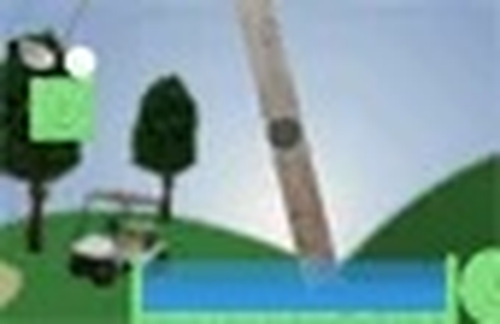
Players interact with a series of green-themed stages where the goal is to redirect a rolling ball into a designated cup. By tapping or clicking on objects such as angled surfaces and solid barriers, users can shift their positions or alter their tilt. The ball responds naturally to these changes, rolling along new paths. This straightforward interaction forms the basis of each challenge, requiring players to think ahead about how each adjustment will affect the ball's trajectory.
Stage Design and Variety
Each stage offers a distinct arrangement of elements, ensuring no two puzzles feel identical. Some stages feature narrow corridors that demand precise angle adjustments, while others present open spaces with multiple possible routes. The visual theme remains consistent with bright, grassy tones, but the layout changes keep the experience fresh. Players must adapt their approach regularly, as what worked in one stage may not apply to the next.
Atmosphere and Accessibility
The game maintains a calm mood through its gentle color palette and absence of time constraints. This makes it suitable for players who prefer to solve puzzles at their own pace. The controls are designed to be intuitive, responding quickly to taps or clicks, so even younger players can participate without frustration. The lack of pressure encourages experimentation, allowing users to test different configurations without penalty.
Learning Through Experimentation
Success in this game comes from observing how small changes affect the ball's movement. A ramp placed at a slightly different angle can send the ball in an entirely new direction. Players learn to predict these outcomes through trial and error, building logical reasoning skills in a low-stress environment. The game rewards patience and careful thinking, making each solved puzzle feel earned.
Guidance Without Handholding
For moments when a solution proves elusive, the game provides optional hints that offer subtle direction without revealing the full answer. This allows players to maintain a sense of accomplishment while still receiving help when needed. The hints are designed to nudge rather than solve, preserving the challenge for those who want to work through problems independently.





Comments
0 comments